
The Work of Reaching Runaway Teens
Gone for GoodThis thread follows Squares and Will’s street outreach, showing how patient trust-building gives vulnerable young people a possible route off the street while confronting the limits of rescue.
increasing Bearing strength in each event
 decreasing
Bearing strength in each eventdecreasingA Shelter Built on Trust
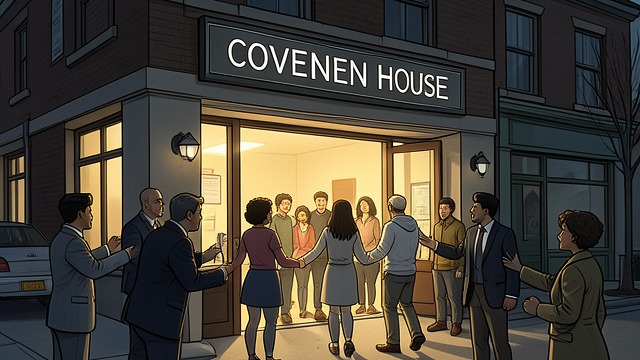
A Safe Haven
The Shelter’s Promise
At Covenant House New York Shelter, Will and Squares treat each young person as someone who deserves full attention, comfort, and care. The shelter is meant to be a place they would want their own children to stay if they were in trouble.
That principle shapes everyday behavior: staff greet each child directly, listen without rushing, and avoid pretending to care while looking past them. The young people have sharp instincts for false concern, so trust must be demonstrated rather than announced.
Limits Without Abandonment
Will knows the shelter cannot save everyone. Some young people return to the streets, and the staff lose more cases than they win. Yet failure does not make the promise meaningless: while a young person is there, they will be safe and loved.
This work provides the moral center for Will’s search. It also clarifies why he keeps trying to understand Sheila’s past: he has seen how a person can survive a devastating history without being reduced to it.
The Street’s Changing Geography
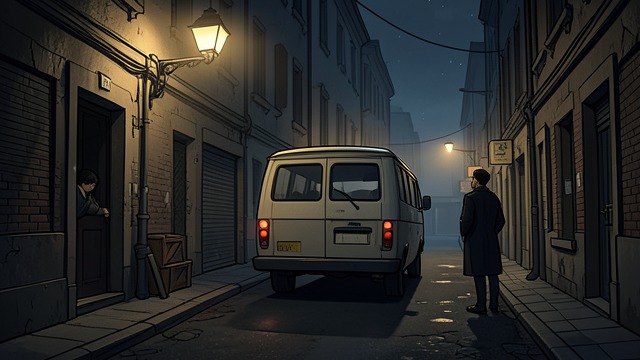
A City That Hides Its Need
Shifting Routes
Squares explains that the city’s changing streets have made outreach harder. Where runaways were once easier to find amid visible street life, cleanup has pushed activity into less obvious corners and made the need easier for passersby to overlook.
The van moves through areas where sex work and exploitation are concentrated, following the changing geography rather than assuming that danger has disappeared. Squares’s familiarity with the people and places reflects years of returning to the same streets.
Visibility and Survival
Will reflects that young people can blend into the city more easily than adult homeless people. Their apparent ordinariness allows the public to ignore them, even as they face the physical and emotional dangers of life without shelter.
Squares describes prolonged street exposure as a destructive process that can erode a young person’s sense of self. The comparison explains why outreach must begin early, but it also cautions against treating a person as a problem to be removed rather than someone whose trust must be earned.
A Door Left Open
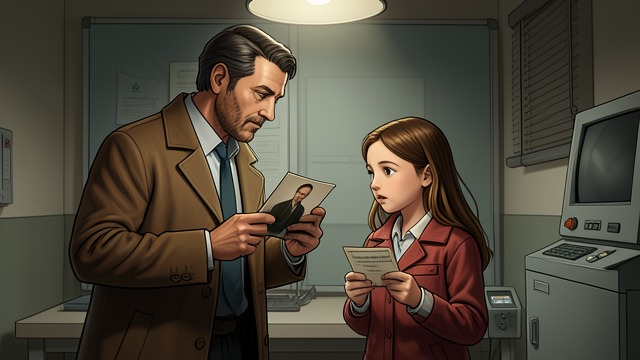
Meeting Jeri
A Cautious Introduction
On the street, Squares and Will find two very young girls and speak with one of them, Jeri. Squares does not demand that she leave immediately or pretend that a single conversation can undo her circumstances.
Instead, he offers a photograph of Angie, a girl he says has been staying at the shelter and rebuilding her life. The story gives Jeri a concrete person to imagine rather than an abstract warning about the street.
The Seed of an Exit
Jeri is wary and says she has not seen Angie, but she listens as Squares describes the shelter as a place for a meal, a warm bed, clothes, and a phone. He gives her a card and tells her she can call for any reason.
The exchange ends without a rescue, which is exactly the point. Squares believes that pushing too hard could send a young person away permanently; his immediate goal is to make a safe return possible when she is ready.
Raquel’s Warning
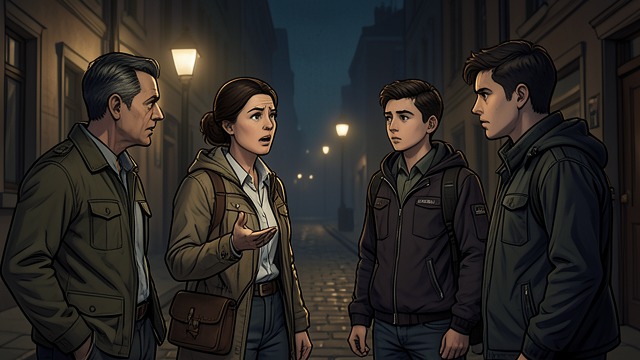
A Lead from the Street
A Familiar Face
Squares and Will find Raquel working on the street and ask whether Raquel recognizes Sheila. Raquel remembers seeing her at the shelter but also reacts strongly when Squares mentions Louis Castman.
Raquel describes Castman as unusually cruel toward the young people he controlled. The account shifts Will’s understanding of Sheila’s history from a list of arrests into a story of exploitation and danger.
Help Without Guarantees
Raquel says Castman has not been around for years but may be at a location in the South Bronx. The information gives Will and Squares a practical lead, while Raquel’s hesitation suggests the fear that still surrounds Castman’s name.
The encounter shows the fragile network behind outreach. People who have endured the street’s harms may be wary, but they can still choose to help someone else avoid the same fate.
The Angie Photograph

A Memory Carried in the Van
A Photograph With a Past
Squares uses a photograph of Angie as a conversational opening with Jeri, presenting Angie as a young person who has found shelter, taken courses, and begun to turn her life around. The story is not a new success case: Angie died on the street years earlier.
Squares keeps the photograph because Angie’s mother gave it to him after he found her. His continued use of it transforms a private grief into an invitation for other young people to accept help.
Persistence as Practice
The image is deliberately simple. It gives Squares a way to speak with a stranger without demanding an immediate confession or explanation, and it lets him offer the shelter’s existence without making the conversation feel like an interrogation.
Will sees that outreach depends on patience and repeated presence. The photograph cannot bring Angie back, but it can help Squares make another person’s first step toward safety feel possible.
Early in Will’s search for Sheila
The first night Will joins Squares on outreach
During Will and Squares’s first night searching for Sheila
Later that night, after Will and Squares locate Raquel
During Will and Squares’s first outreach night
